
When Disaster Strikes—Steps That Can Save Lives : BEFORE—PREPARE!
BEFORE—PREPARE!
NO ONE is immune to disaster. Preparation is your most important key to survival. But what does preparation involve?
- Prepare mentally. Acknowledge the fact that disasters happen and that you and your loved ones are potentially at risk. It is too late to prepare after disaster strikes.
- Learn about disasters that can happen in your area. Know where shelters are. Consider whether the construction of your home and its location are as safe as possible. Remove fire hazards. Install smoke detectors, and change their batteries at least once a year, if not more often.
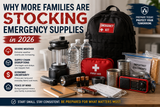
- Prepare emergency supplies. Power, water, phone, and transportation services can fail. If you own a car, try to keep the fuel tank at least half full, and always have food, water, and an emergency kit in your home
* Have access to the phone numbers of friends, both near and far.
* Make and rehearse an escape plan. Know the nearest exits in your building, as well as the emergency plan of your children’s school. Set up family meeting places—such as a school or a library—one nearby and another outside your neighborhood. Authorities recommend that you practice walking with your family to those meeting points.
* Plan to help others, including the elderly and the infirm.
source jw.org
18th Dec 2017
Recent Posts
-
Personal Safety & First Aid: Essential Preparedness for Everyday Life
Why Every Family Should Learn Basic Safety and First Aid Skills Emergencies rarely happen when it's …13th Jul 2026 -

Self-Reliance & Homesteading: Practical Steps You Can Start Today
Building a More Self-Reliant Lifestyle One Step at a Time In a world where prices seem to rise every …6th Jul 2026 -
Why More Families Are Stocking Emergency Supplies in 2026
Over the last few years, many families have started looking at emergency preparedness differently. W …29th Jun 2026