
The First 72 Hours After a Disaster: Why Being Prepared Matters
Imagine waking up tomorrow morning to discover that your community has experienced a major earthquake.
The power is out. Your refrigerator isn't working. Your cell phone service is unreliable, and some roads are blocked or difficult to navigate.
You turn on the faucet, but water service is unavailable.
Now imagine having to manage these circumstances while caring for children, older family members, or pets.
This is why emergency preparedness is so important.
The first 72 hours following a disaster are commonly used as a household preparedness planning period. This does not mean every disaster will last exactly three days or that assistance will arrive after 72 hours. Rather, it encourages households to have basic necessities available in case normal services are disrupted.
Why the First 72 Hours Matter
After a major disaster, emergency responders may need to prioritize immediate threats to life and widespread community needs.
Depending on the situation, roads may be inaccessible, stores may close, and utility services may be interrupted.
Your family may need to manage basic needs independently while waiting for updated instructions from emergency authorities.
Being prepared can help your household:
-
Maintain access to drinking water.
-
Have food available without refrigeration.
-
Address minor injuries.
-
Stay informed through emergency communications.
-
Maintain basic hygiene and sanitation.
-
Keep important family information accessible.
Preparedness gives you more options when everyday routines are interrupted.
What Should Your Family Do During the First 72 Hours?
Hours 1–24: Focus on Immediate Safety
Your first priority should always be protecting yourself and your family.
Depending on the type of emergency:
-
Check household members for injuries.
-
Follow evacuation or shelter-in-place instructions.
-
Locate your emergency supplies.
-
Check for hazards such as damaged electrical wiring or gas leaks.
-
Use your emergency communication plan.
-
Monitor official emergency announcements.
Never enter damaged buildings or approach downed power lines.
Hours 24–48: Maintain Basic Household Needs
If services remain disrupted, your family may need to continue using stored supplies.
Pay attention to:
-
Drinking water availability.
-
Food safety.
-
Personal hygiene.
-
Medication needs.
-
Emergency communication.
-
Household sanitation.
Keep refrigerated and frozen food safety in mind. According to the CDC, an unopened refrigerator generally keeps food safe for up to four hours without electricity. A full freezer can maintain safe temperatures for approximately 48 hours, while a half-full freezer can do so for approximately 24 hours.
Source: CDC – Keep Food Safe After a Disaster.
Hours 48–72: Continue Managing Available Resources
If normal services are still unavailable, continue following official instructions.
-
Monitor emergency announcements.
-
Keep track of available food and water.
-
Avoid unsafe areas.
-
Follow public health recommendations.
-
Check on neighbors when it is safe.
-
Follow instructions regarding evacuation or returning home.
Remember that the 72-hour period is a preparedness guideline, not a guarantee that services will be restored.
What Belongs in a 72-Hour Emergency Kit?
A properly organized emergency kit should contain supplies that support your family's basic needs.
Food and Water
-
Drinking water.
-
Emergency food bars.
-
Shelf-stable meals.
-
Foods appropriate for children and dietary restrictions.
Safety and Medical Supplies
-
First aid kit.
-
Necessary medications.
-
Flashlight.
-
Extra batteries.
-
Emergency radio.
-
Whistle.
Personal Needs
-
Hygiene products.
-
Sanitation supplies.
-
Emergency blankets.
-
Extra clothing.
-
Important documents.
Communication
-
Written emergency contact list.
-
Family meeting locations.
-
Local maps.
-
Backup phone charging options.
FEMA provides an official emergency supply checklist that can help you get started.
Ready.gov – Emergency Supply Kit
How Much Water Does Your Family Need?
The CDC recommends storing at least one gallon of water per person per day for at least three days.
Here is a simple example:
| Family Size | Minimum 3-Day Supply |
|---|---|
| 1 person | 3 gallons |
| 2 people | 6 gallons |
| 3 people | 9 gallons |
| 4 people | 12 gallons |
| 5 people | 15 gallons |
Try to store a two-week supply when possible. Additional water may be necessary for pets, hot climates, medical needs, and other circumstances.
Source: CDC – Emergency Water Supply.
Prepare Your Household, Not Just Your Home
Emergency preparedness should involve everyone who lives in your household.
Children should know where emergency supplies are stored. Older adults may need additional medications or medical equipment. Pets need food, water, and appropriate transportation arrangements.
You should also consider preparing a smaller emergency kit for your vehicle and workplace.
An emergency may happen when your family members are not all together.
Make Preparedness a Priority with 4URSurvival
At 4URSurvival, we believe families should have the opportunity to prepare before an emergency occurs.
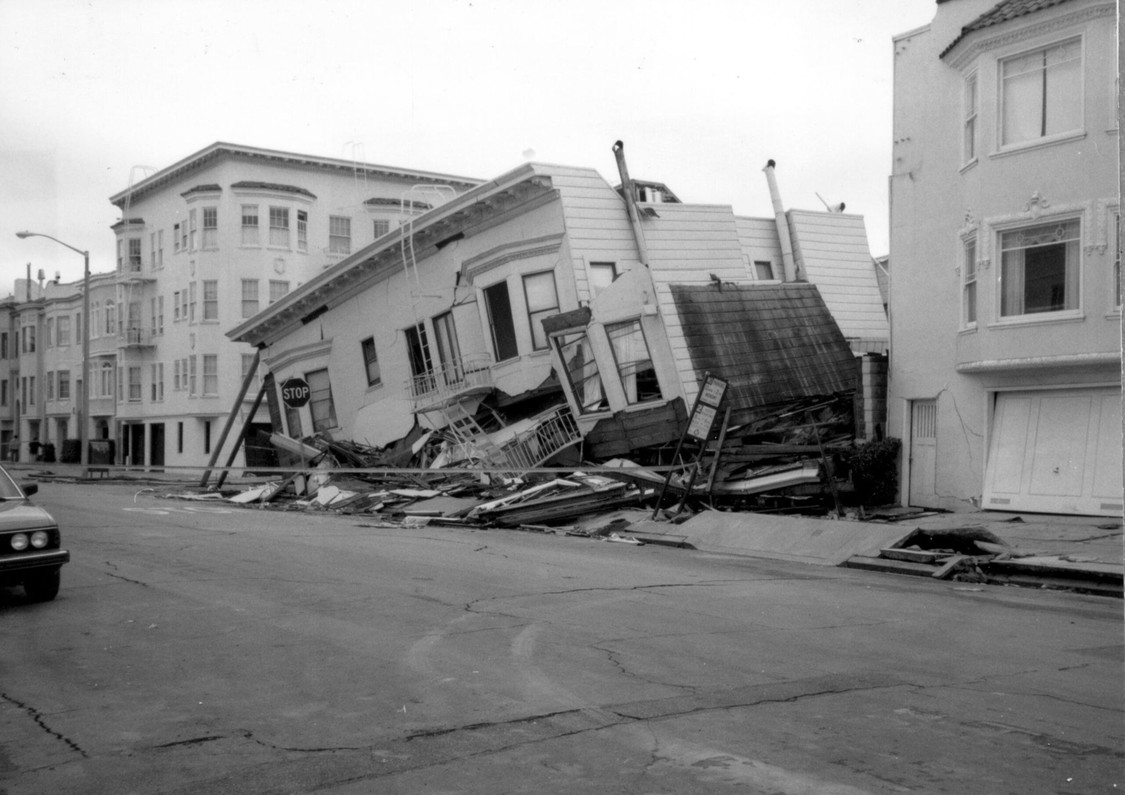
Our company was inspired by the 1989 Bay Area earthquake, when two sisters recognized the importance of helping families become better prepared for unexpected disasters.
That experience helped shape our commitment to emergency preparedness.
We understand that putting together an emergency kit can feel overwhelming. Having a convenient starting point can make the process easier.
Our emergency preparedness kits help households organize important supplies for unexpected situations.
Don't wait for the first warning to start preparing.
Visit 4URSurvival.com and take your next step toward household preparedness.
Additional Government Resources:
Recent Posts
-
Earthquake Preparedness: Lessons Every California Family Should Remember
Living in California means understanding that earthquakes are part of our state's natural environmen …7th Dec 2026 -

Preparing Children for Emergencies Without Scaring Them
As parents and caregivers, one of our biggest responsibilities is helping children feel safe and pre …2nd Nov 2026 -
Emergency Food and Water: How Much Does Your Family Really Need?
When preparing for an emergency, two of the most important necessities are food and water. During an …5th Oct 2026