
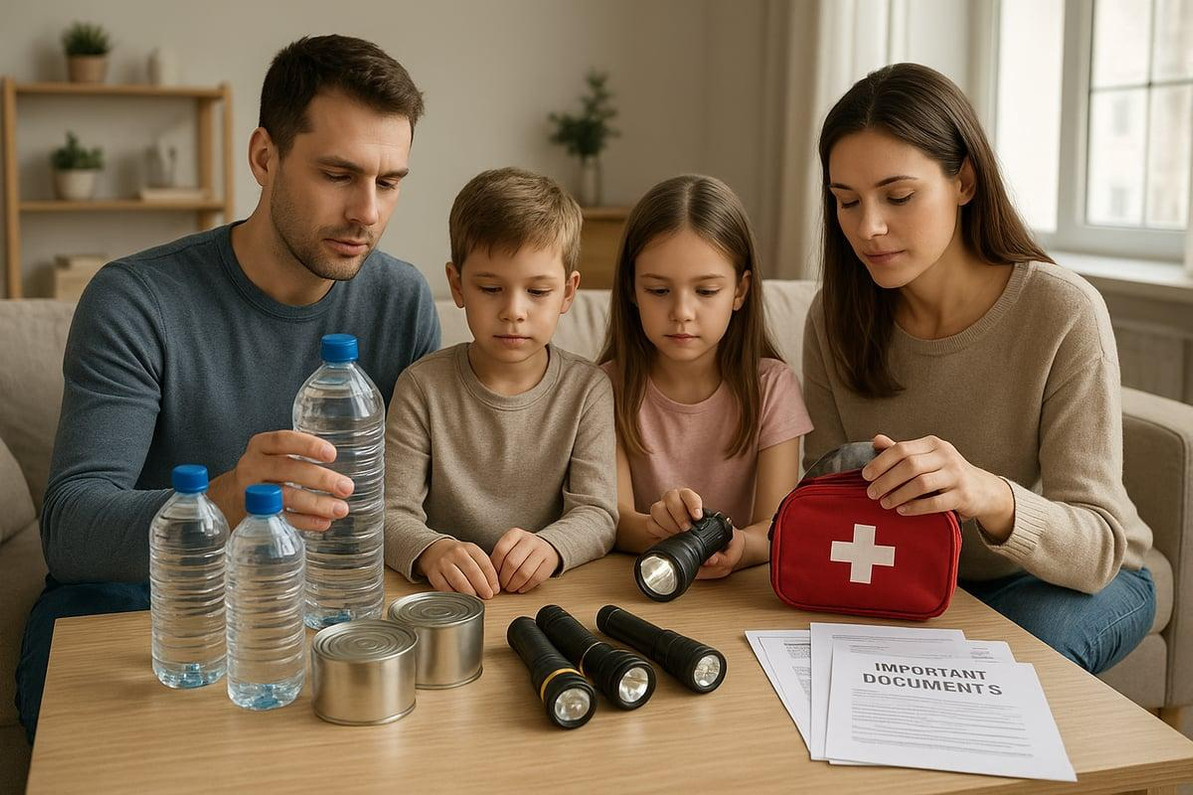
Is Your Family Prepared for an Emergency? 10 Things Every Household Should Have
Emergencies rarely happen at convenient times. Whether it's an earthquake, wildfire, severe storm, extended power outage, or unexpected natural disaster, your family's ability to respond can depend on what you have prepared ahead of time.
Imagine waking up one morning to discover that the electricity is out, your refrigerator is no longer working, and local stores are temporarily closed. You reach for your phone, but the service is unreliable. Suddenly, everyday necessities that you normally take for granted become much more important.
Would you have enough drinking water? Would your family have food available? Do you know where your emergency supplies are located?
These are questions worth asking before an emergency occurs.
Emergency preparedness isn't about living in fear or expecting something terrible to happen. It's about making practical decisions today that can help protect the people you love tomorrow.
Why Every Household Needs an Emergency Plan
Many people associate emergency preparedness with major disasters. However, emergencies can also include unexpected situations such as neighborhood power outages, water service interruptions, severe weather, and transportation disruptions.
The Federal Emergency Management Agency (FEMA) encourages households to take three important steps:
-
Build an emergency supply kit.
-
Create a family emergency plan.
-
Stay informed about potential hazards in your area.
FEMA's 2024 National Household Survey found that 68% of respondents in the Western United States reported having emergency supplies set aside. That means preparedness remains an important consideration for households throughout the region.
Government source: FEMA – 2024 National Household Survey on Disaster Preparedness.
10 Essential Emergency Supplies Every Family Should Have
1. Emergency Drinking Water
Water is one of the most important supplies to have available.
The CDC recommends storing at least one gallon of water per person per day for at least three days. This is a starting point for drinking, cooking, brushing teeth, and other basic needs.
For a family of four, that means having at least 12 gallons of water available for three days.
Consider storing additional water for children, pets, pregnant women, people with medical needs, and households in hot climates.
2. Nonperishable Emergency Food
Your household should have food that does not require refrigeration.
Consider:
-
Emergency food bars.
-
Canned vegetables and proteins.
-
Shelf-stable meals.
-
Ready-to-eat foods.
-
Foods that accommodate allergies and dietary restrictions.
Check expiration dates and manufacturer storage instructions regularly.
3. First Aid Supplies
A first aid kit can help address minor injuries when immediate access to medical services is limited.
Consider including:
-
Adhesive bandages.
-
Gauze and medical tape.
-
Antiseptic wipes.
-
Disposable gloves.
-
Tweezers.
-
First aid instructions.
-
Personal medications and medical necessities.
Make sure household members know where the supplies are located.
4. Flashlights and Extra Batteries
Power outages can happen during storms, earthquakes, and other emergencies.
Keep flashlights in accessible locations throughout your home. Consider battery-powered lanterns as well.
Avoid relying entirely on candles because of the additional fire risk.
5. Emergency Radio
An emergency radio can help you receive important information when electricity, internet access, or cell service is unavailable.
Consider a battery-powered or hand-crank radio that can receive NOAA Weather Radio broadcasts.
6. Water Purification Supplies
Water purification supplies can be useful if your regular water source becomes unavailable or unsafe.
Water purification tablets may help treat certain biological contaminants when used according to instructions. However, not every treatment method removes chemical contamination.
Always follow public health instructions and use appropriate treatment methods.
7. Hygiene and Sanitation Supplies
Sanitation becomes especially important when normal water and plumbing services are interrupted.
Include:
-
Moist towelettes.
-
Hand sanitizer.
-
Toilet paper.
-
Garbage bags.
-
Personal hygiene products.
-
Disposable gloves.
8. Emergency Communication Supplies
Every family should have a communication plan.
Keep written copies of important phone numbers, emergency contacts, meeting locations, and other essential information.
Do not rely exclusively on the contacts saved in your smartphone.
9. Important Family Documents
Keep copies of identification, insurance information, medical information, and other important records in a secure waterproof container.
Digital backups can also be useful, provided you can access them when needed.
10. A Complete Emergency Preparedness Kit
Having individual emergency supplies is helpful, but keeping everything organized makes preparation easier.
A designated emergency kit can help you locate important necessities without searching through different closets, cabinets, and storage areas.
Don't Forget to Prepare Every Family Member
Emergency preparedness should account for everyone in your household.
Consider the specific needs of:
-
Infants and young children.
-
Older adults.
-
Individuals with disabilities.
-
People who take prescription medications.
-
Family members with food allergies.
-
Household pets.
Your emergency supplies should reflect the actual needs of the people depending on you.
Create an Emergency Plan Before You Need One
Choose a meeting location near your home and another outside your neighborhood.
Identify evacuation routes and discuss where family members should go if they become separated.
Also, make sure everyone understands how to receive emergency alerts.
FEMA provides a useful starting point through its official emergency planning resources.
Start Preparing Today with 4URSurvival
At 4URSurvival, we believe emergency preparedness should be accessible and practical for everyday families.
We understand that families have busy schedules, financial responsibilities, and many other priorities. Preparing for emergencies may not always be at the top of the list, but it deserves a place in your household planning.
Our emergency preparedness kits offer a convenient way to begin organizing essential supplies before unexpected situations occur.
You don't have to wait until an emergency makes the news to start preparing.
Prepare today. Protect tomorrow.
Explore emergency preparedness solutions at 4URSurvival.com.
Additional Government Resources:
Recent Posts
-
Earthquake Preparedness: Lessons Every California Family Should Remember
Living in California means understanding that earthquakes are part of our state's natural environmen …7th Dec 2026 -

Preparing Children for Emergencies Without Scaring Them
As parents and caregivers, one of our biggest responsibilities is helping children feel safe and pre …2nd Nov 2026 -
Emergency Food and Water: How Much Does Your Family Really Need?
When preparing for an emergency, two of the most important necessities are food and water. During an …5th Oct 2026